Alaçatı is one of the most beautiful corners of the Turkish Aegean, and one of the most expensive. I paid €1,300 in off-season. High season? Budget €2,000-2,500. Here's why I'd still go back.
There's a pull I can't fully explain. Every year, somewhere between April and November, I find myself rerouting back toward the Turkish Aegean. The Mediterraneans of my childhood, the smell of pine and salt, the light that makes everything look slightly unreal, it gets me every time. I've done the classics. This year, I went to Alaçatı. And it stopped me in my tracks in a way I didn't expect.
Fair warning upfront: Alaçatı is not cheap. Like, meaningfully not cheap. The crowd that gravitates here is wealthy Istanbul money, the kind of people who fly in for a long weekend and drop four figures without blinking. That energy shapes the place. The boutique hotels are beautiful and priced accordingly. The restaurants are excellent and will remind you of that fact when the bill arrives. A cocktail in the old town on a summer evening can run you what you'd pay at a decent bar in Vienna. I'm not saying this to put you off, I'm saying it so you don't show up expecting a hidden budget gem and leave annoyed. Go knowing what it is.
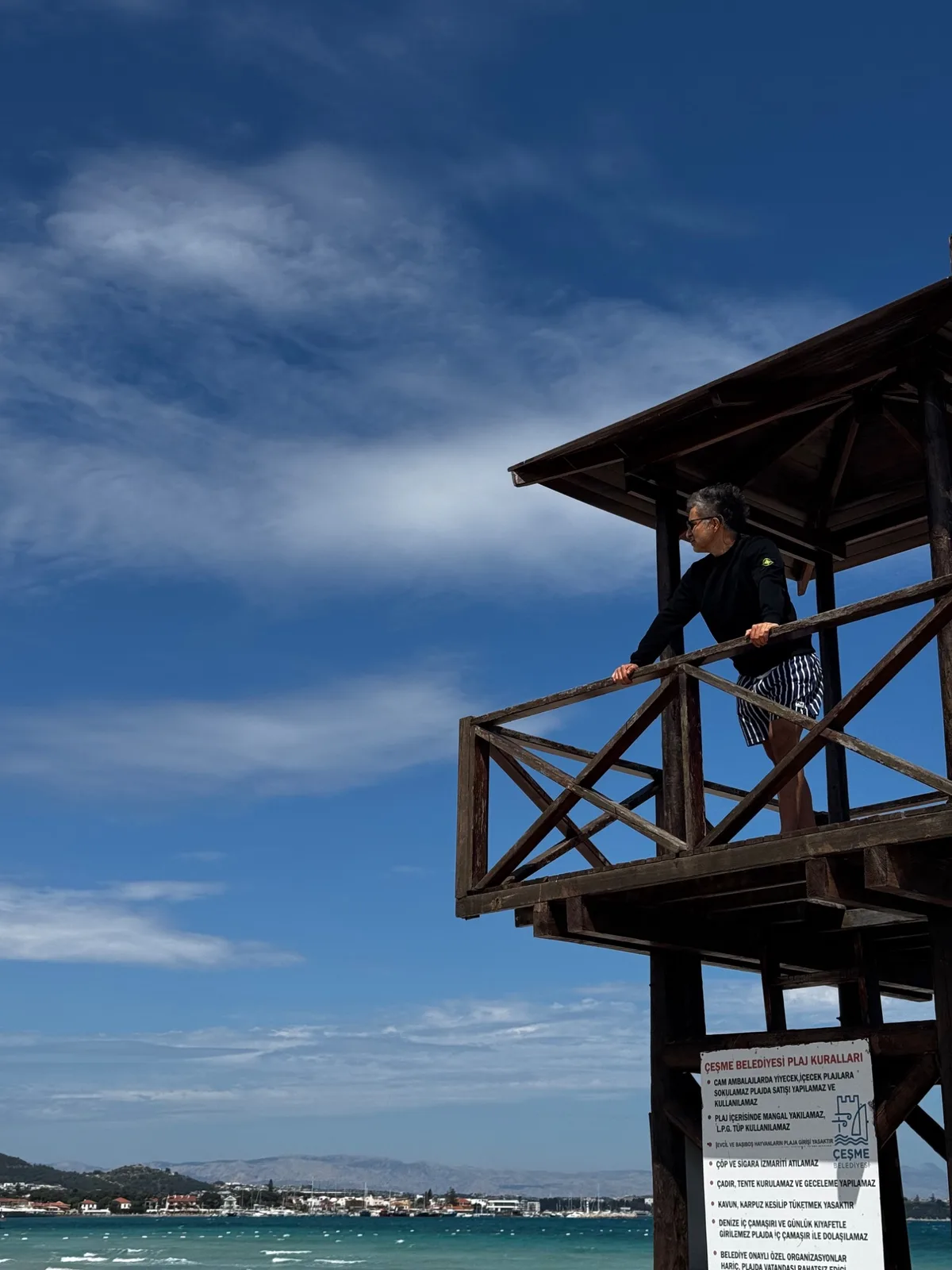
Most international tourists haven't heard of it anyway. They go to Çeşme, the bigger, shinier neighbour, snap a few photos at the port and leave. Alaçatı sits just inland, quieter, older, a former Greek town with stone houses, bougainvillea hanging off every corner, and a food and nightlife scene that feels completely out of proportion to its size. It's a local favourite. The kind of place Turks from Istanbul go when they want to actually disappear, if disappearing means great wine and an excellent tasting menu, which apparently it does.
I flew into Istanbul, drove down to Izmir (about five hours), and from there it's another hour to Alaçatı. That's your base. Everything else radiates from there.
Why Alaçatı is Better Than Çeşme
I'll say the quiet part out loud. Alaçatı is the better base. It's more beautiful, more walkable, and it puts you closer to every beach and bay worth visiting on the peninsula. Çeşme is fine, it has a castle, a nice port, some decent restaurants. But it has the slightly worn-out energy of a place that knows it's on the tourist circuit and has stopped trying quite as hard.
Alaçatı doesn't feel like that. The old town is made for wandering slowly. There are art galleries and herb shops and wine bars run by people who genuinely care about wine (if you want to go deeper on that rabbit hole, put Urla on your list). The restaurant scene leans hard into Aegean cuisine: fresh fish, wild greens, olive oil that doesn't taste like it came from a plastic jug. In the evenings the bars fill up and it gets lively without getting ugly. Go in July or August if you want the full energy. Go in June or September if you want the same beauty at half the noise and meaningful savings on your bill.
The Beaches and Bays: What's Actually Worth It
This is where the daily rhythm of Alaçatı earns its keep. You're twenty minutes from everything.
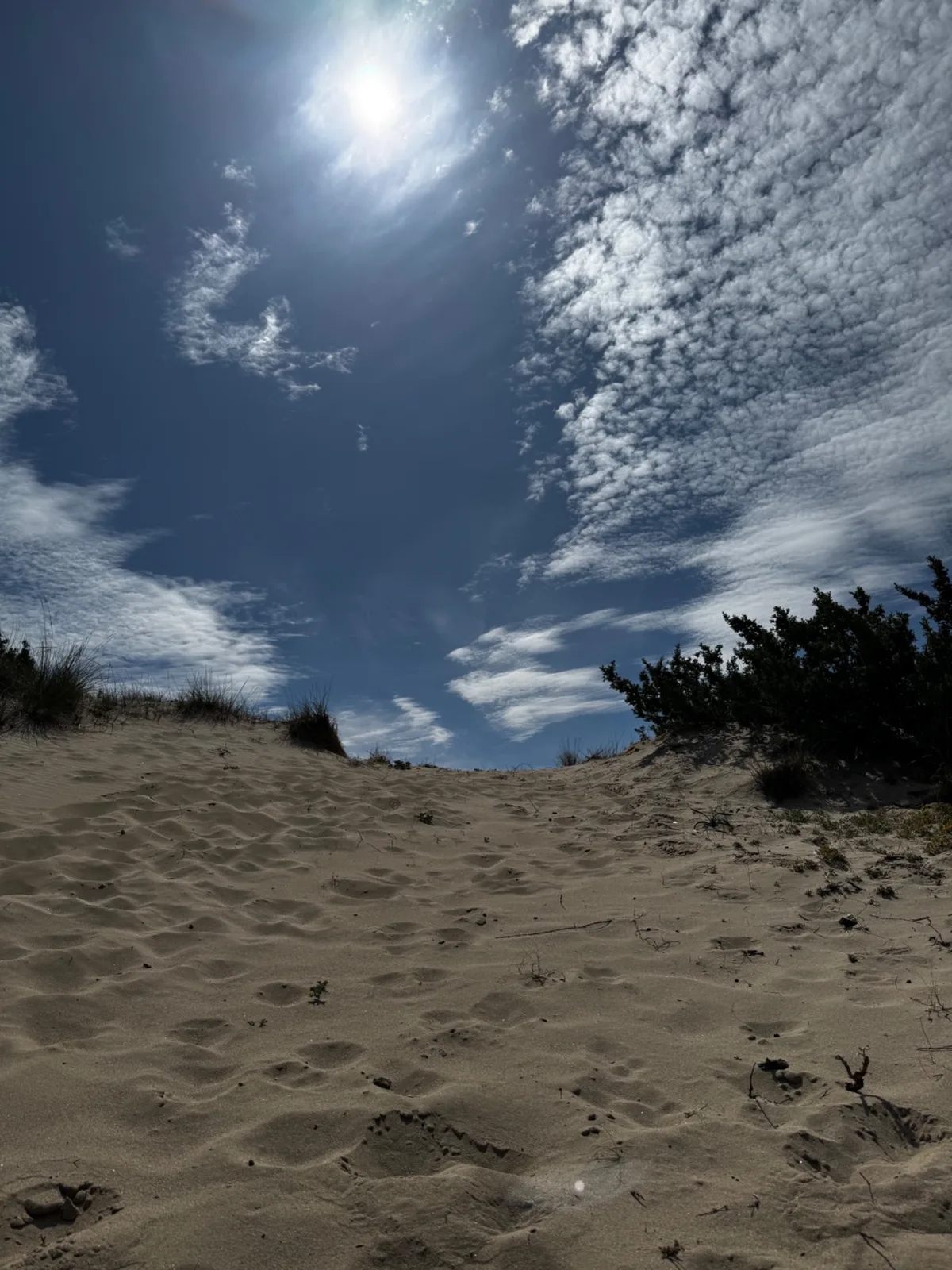
Altınkum is the one that surprised me most visually. Sand dunes, strange light, a landscape that doesn't look like Turkey or anywhere in Europe, somewhere between a desert and a coast. The infrastructure is genuinely rough around the edges, the roads aren't always what Google Maps promises, so don't fight it. Go, look around with your mouth slightly open, and come back without expecting a beach club waiting for you.
Ilıca is the postcard beach. Long sandy stretch, clear water, very windy. There's a reason it's become one of Türkiye's highest real estate price zones, you can feel the money in the air the moment you arrive. Best in high season when the wind is expected and you're mentally prepared for it. Not a place for a quiet autumn swim.
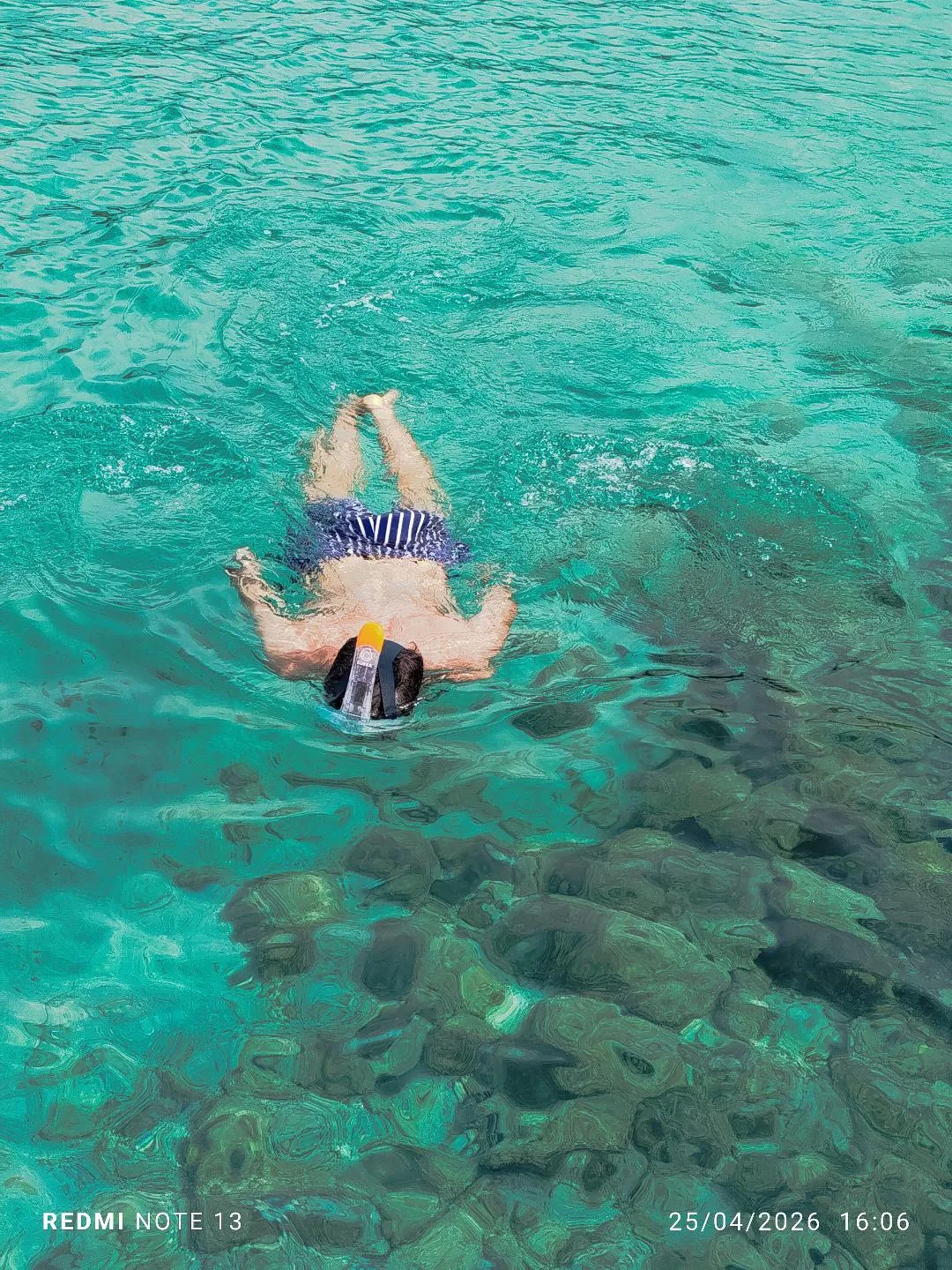
Paşalimanı was the one that stopped me cold. A small cove, crystal water, pine trees coming right down to the edge, and a few luxury houses tucked into the hillside that somehow don't ruin the feeling. It has the quality of a place that doesn't know it's beautiful. One of the clearest waters I've seen anywhere in the Aegean, which is genuinely saying something. Go. This is a must.
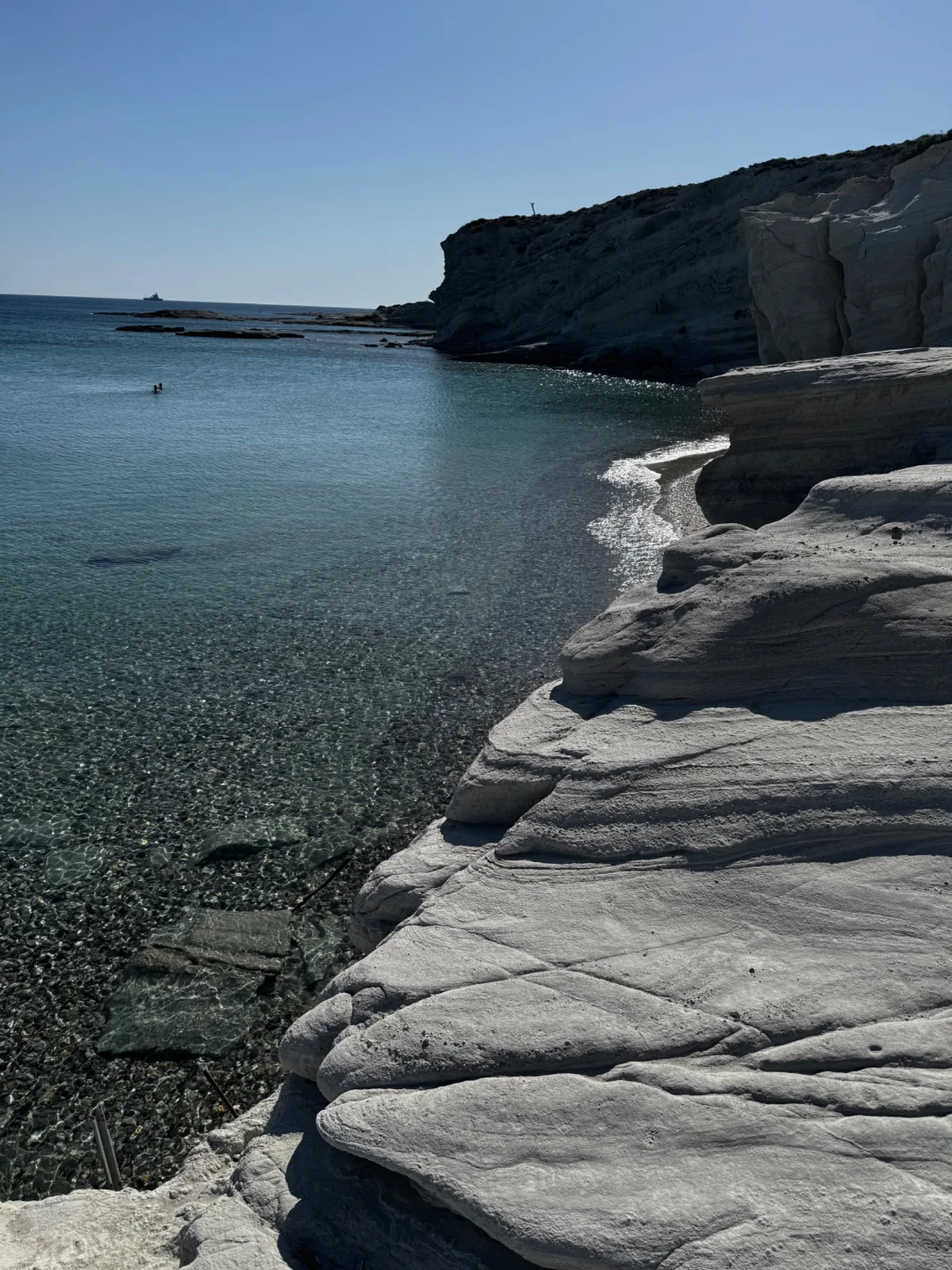
Delikli Köy is harder to describe. It's a coastal spot that feels like three different places at once: something lunar about the rock formations, something Texas about the dry open land, something Algarve about the secret holes the sea has carved into the rock. Easily accessible and completely worth it. I kept thinking about it long after I left.
What Else to Do
Alaçatı runs on wind, which makes it one of the best kite surfing destinations in the eastern Mediterranean. If you kite surf, you already know this. If you don't, it's still excellent to watch from a beach bar while nursing something cold. Cycling around the peninsula is genuinely good, flat enough to be enjoyable, but with enough variation to stay interesting. And walking the old town slowly, getting properly lost in the stone lanes, is its own activity. Don't rush it.
For day trips, Çeşme town and Urla are both worth a few hours. Urla especially has been quietly building a serious food and winery scene. The Urla wine route, small producers making good Aegean wines from local grapes, is something I'd prioritise on a longer trip. If you want a boat day, there are several tours around the peninsula that hit multiple coves in one go. Worth it.
A Week in Alaçatı: How I'd Do It
Seven days, roughly 1,350 km from Istanbul. Budget: harder to pin down than most Aegean destinations because of the price premium. To give you a real number: I paid around €1,300 per person in off-season and I wasn't splurging. In high season (July–August), realistically budget €2,000-2,500 per person for the week, covering accommodation, food, transport, and activities. If you're staying in a converted stone house boutique hotel in the old town (which you should, at least for a few nights), lean toward the top of that range. The good places fill up fast in summer; book six weeks out minimum or you'll be scrambling.
The places that feel most alive are usually the ones that haven't been optimized for you yet.
The route I'd recommend: arrive and settle in on day one, don't try to see everything. Day two, Altınkum and Delikli Köy. Day three, Paşalimanı, bring snorkelling gear, stay long. Day four, Ilıca if conditions are right. Day five, a slow Çeşme and Urla loop. Day six, whatever you missed, or just stay in town and eat your way through it. Day seven, leave a little reluctantly.
What I'd Actually Do
- Base in Alaçatı old town, not Çeşme. You'll thank yourself every morning when you walk out for coffee. Yes, it costs more. Pay it.
- Go to Paşalimanı early in the day before it gets busy. Bring lunch, there's no real infrastructure there and that's exactly the point.
- Skip the Google Maps routing advice for Altınkum. The landscape is worth seeing. The roads are not worth fighting. Drive in, drive out, don't expect facilities.
- Try a restaurant in the old town that doesn't have an English menu outside. The overlap between tourist-facing and actually-good is smaller here than you'd hope.
- Come with honest expectations about the prices. Off-season, I spent €1,300 for the week. High season, you're looking at €2,000-2,500. Alaçatı is a place where Istanbul's wealthy go to relax. The economics follow. If you walk in knowing that, it doesn't sting, it just becomes part of understanding what the place is.
The Aegean has a lot of beautiful corners. Alaçatı is one of the few where I left thinking: more people should know about this, but also, I hope they don't find it all at once. It's already figured out how much it's worth. The question is whether you think it's worth it too. Honestly? I do.